A Guide to Various Metal Joining Techniques
Welding is essential in many industries, from automotive to construction. Each steel welding process has unique benefits and challenges. Knowing these differences helps you choose the best method for your project. This guide will explore various metal joining techniques, providing valuable insights into their applications, advantages, and limitations.
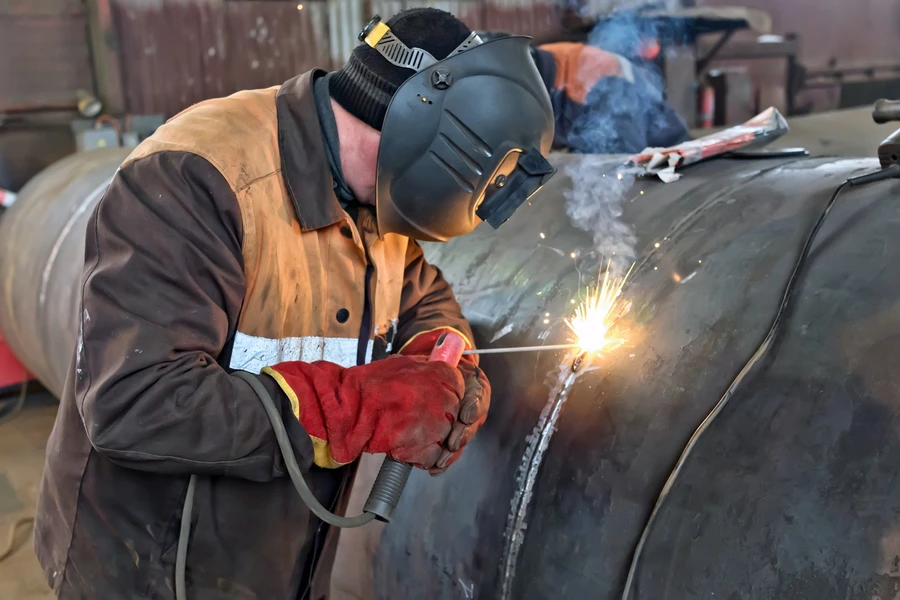
The Importance of Choosing the Right Process
Selecting the proper welding technique affects the strength and durability of the final product. Using a suitable method can save time and reduce costs while ensuring quality results. With numerous processes available, understanding their core principles and applications ensures optimal performance for your specific needs.
Shielded Metal Arc Welding (SMAW)
Commonly known as stick welding, SMAW is one of the most widely used methods. It involves an electrode coated with flux that melts, forming a protective gas shield around the weld pool. This process is versatile, working well outdoors or indoors on thicker materials. Steel welding often uses SMAW due to its adaptability and ease of use.
Gas Tungsten Arc Welding (GTAW)
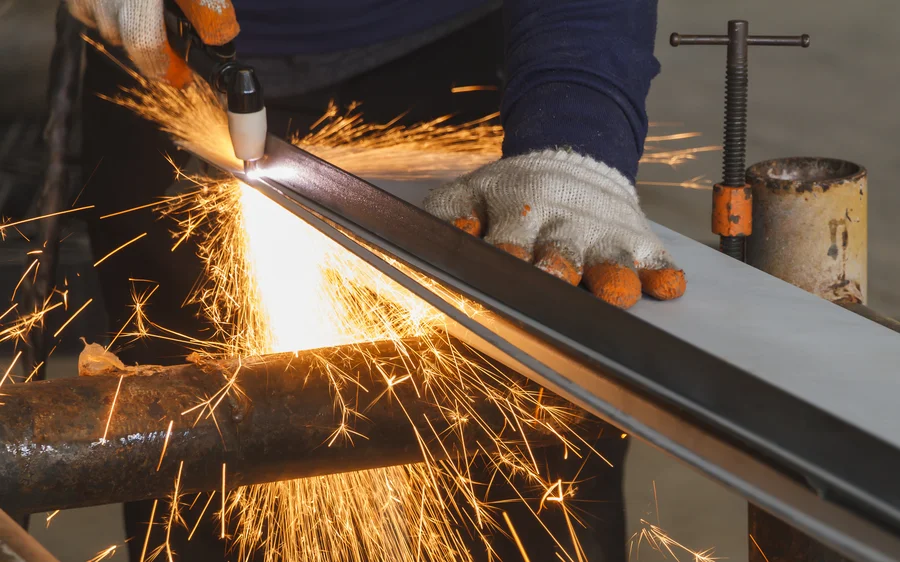
Also called TIG welding, GTAW is precise and high-quality, making it ideal for intricate projects requiring clean finishes. An inert gas shield protects against contaminants while a non-consumable tungsten electrode generates heat. Although slower than other methods, this technique provides excellent control over the weld bead’s appearance. In certain scenarios, steel welding benefits from GTAW’s precision.
Gas Metal Arc Welding (GMAW)
GMAW, or MIG welding, employs a continuous solid wire electrode fed through a gun alongside an inert gas supply. Known for its speed and efficiency, GMAW excels at producing smooth welds on thin to medium thickness metals. It’s popular among hobbyists and professionals alike due to its relatively low skill requirement.
Flux-Cored Arc Welding (FCAW)
This method resembles MIG welding but uses a tubular wire filled with flux instead of solid wire. FCAW works well on thick materials and offers faster deposition rates than GMAW. Suitable for fieldwork where wind might disrupt shielding gases, this process enables strong joint creation in harsh conditions.
Submerged Arc Welding (SAW)
SAW uses a granular flux layer covering the arc zone, minimizing exposure to atmospheric contaminants. This allows deep penetration with minimal spatter while achieving high production rates. Typically applied in shipbuilding and heavy machinery manufacturing, SAW creates sound joints capable of withstanding substantial stress loads.
- Stick welding: Versatile, effective outdoors, good on thicker materials
- TIG welding: Precise, clean finish, great for intricate work
- MIG welding: Fast, efficient, user-friendly for beginners
- FCAW: High deposition rate, suitable for windy environments
- SAW: Deep penetration, minimal spatter, used in heavy-duty applications
Factors Affecting Your Choice
Several factors influence which welding process suits your project best:
- Material type: Certain techniques cater better to specific metals
- Environment: Consider location-based elements like weather conditions
- Project size: Large-scale jobs may require faster procedures
- Skill level: Ease-of-use varies across different methods
- Equipment availability: Access impacts decision-making significantly
Optimizing Welding Costs and Efficiency
Your choice impacts not only quality but also cost-effectiveness. Some methods require more expensive equipment or materials; others need extensive training before mastery. Balancing upfront expenses against long-term productivity gains helps maximize value without sacrificing quality outcomes.
Making Informed Decisions for Success
Understanding each steel welding process aids informed decision-making when planning projects involving metal joining tasks. Whether prioritizing speed, precision, or versatility-this guide equips you with key insights necessary for success. For expert advice tailored specifically to your objectives, reach out today by calling (615) 806-9152. Located in Mt. Juliet, TN, I am committed to delivering exceptional service under my company name, Mobile Welding of Mt. Juliet.