Steps and Tips for Keeping Your Engine Running Smoothly Over Time
Small engines power many of the tools and machines you use daily, like lawn mowers, generators, and chainsaws. Ensuring they work efficiently requires regular care and attention. With proper maintenance, you can extend the life of your small engine, improve its performance, and minimize costly repairs. This guide will walk you through essential practices to keep your small engine in top condition.
Importance of Regular Maintenance
Regular maintenance is crucial for preventing unexpected failures and ensuring your engine runs smoothly. Without consistent upkeep, components wear out faster, leading to reduced performance or even complete engine failure. Simple tasks like changing oil and cleaning filters can prevent major issues down the road.
Checking Oil Levels Consistently
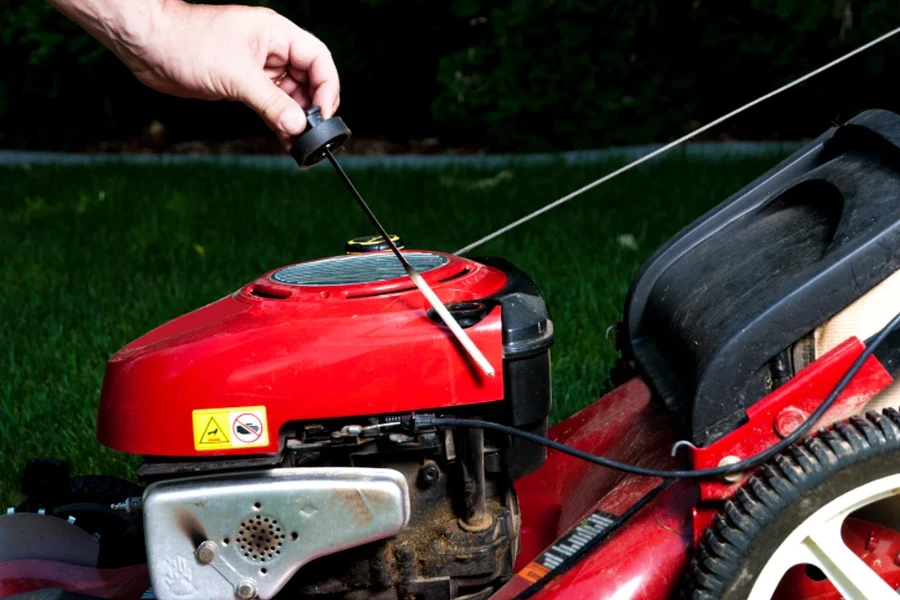
Maintaining the correct oil level is vital for small engines. Low oil can cause overheating and damage internal parts, while too much oil might lead to leaks and other problems. Check the oil level before each use and change it every 25 hours of operation or at least once a season for optimal performance.
The Role of Air Filters in Engine Health
An air filter keeps dirt and debris from entering the engine, but a clogged filter restricts airflow, reducing efficiency. Clean or replace air filters regularly to ensure your engine breathes easily. Most manufacturers recommend checking the air filter after 10 hours of use.
Spark Plug Inspection and Replacement
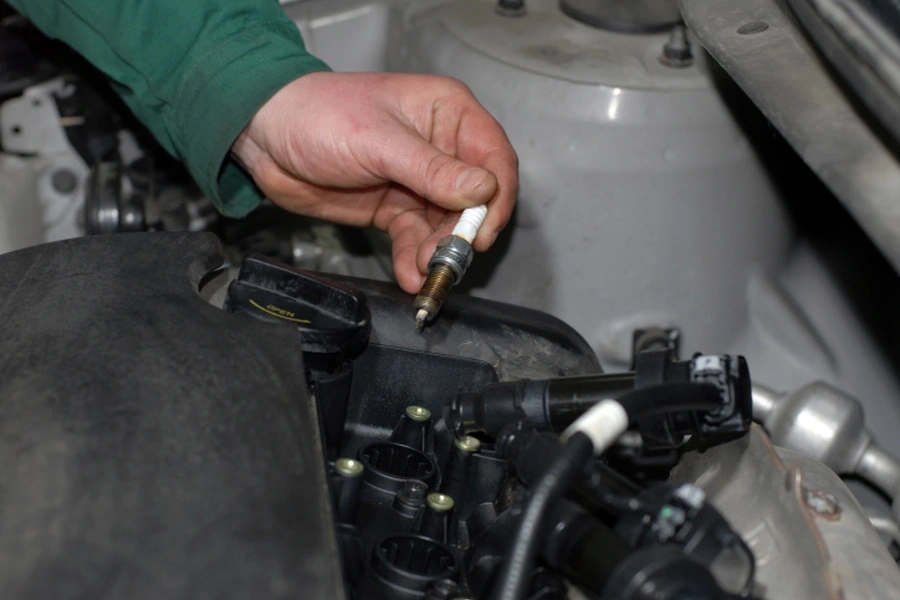
Spark plugs are essential for starting the engine. A dirty or worn-out spark plug leads to hard starts and poor engine performance. Inspect the spark plug every 25 hours of use, clean it if necessary, and replace it annually to maintain efficient ignition.
Ensuring Fuel Quality
Poor fuel quality can cause serious issues like clogging carburetors or damaging engine components. Always use fresh gasoline with an appropriate octane rating. Consider adding a fuel stabilizer if you plan to store equipment for long periods without use.
Role of Small Engine Repair Services
While regular maintenance goes a long way, professional small engine repair services are sometimes necessary. These experts provide thorough inspections and identify underlying issues you might miss. Investing in professional service ensures comprehensive care beyond basic upkeep.
Troubleshooting Common Issues
If your engine isn’t running as it should, first check the basics-fuel levels, oil condition, and cleanliness of air filters. If problems persist, consulting a small engine repair technician could be wise for more complex diagnosis and repairs.
- Check fuel levels regularly
- Inspect air filters frequently
- Monitor spark plug condition
- Schedule professional inspections periodically
Cost-Effective Maintenance Strategies
Preventive maintenance is cost-effective compared to emergency repairs or replacements. By investing time in routine checks and minor repairs, you save money in the long run and avoid downtime during critical operations.
Expert Advice for Longevity
Experts recommend keeping a detailed maintenance log to track all performed tasks and identify patterns that could indicate emerging issues. This proactive approach allows for timely interventions, extending your small engine’s lifespan.
Your Trusted Partner in Engine Care
For personalized guidance on maintaining your small engine, contact me at (615) 806-9152. I’m based in Mt. Juliet, TN and offer expert advice tailored to meet your specific needs. Trust Mobile Welding of Mt. Juliet to help you achieve peak performance with reliable service solutions for all your maintenance challenges.