Overcoming Difficulties With Metal Joining Techniques
Aluminum welding is often seen as a tough task due to its unique properties. Many people face challenges when trying to weld this metal because it behaves differently from others like steel. The lightweight nature of aluminum makes it popular in industries such as automotive and aerospace. However, these same characteristics also make it tricky to work with. In this article, we will explore the common hurdles encountered and provide practical solutions to overcome them.
Challenges With Heat Control
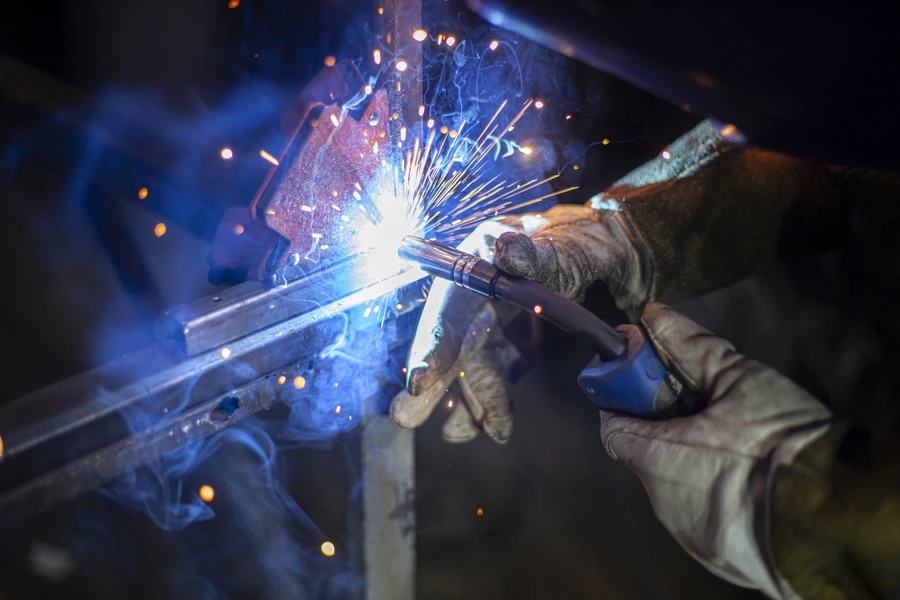
One major issue in aluminum welding is managing heat input. Aluminum melts at a lower temperature compared to other metals, which can result in burn-through if not carefully monitored. Additionally, it has high thermal conductivity, meaning that heat spreads rapidly across the material, complicating the process even further. To manage these challenges, welders need to adjust their techniques, paying close attention to heat settings and using proper equipment like pulsed MIG welders.
Avoiding Oxidation Problems
The surface of aluminum forms an oxide layer quickly when exposed to air, which can interfere with welding. This oxidation must be removed before starting the process to ensure strong welds. Techniques such as mechanical cleaning with wire brushes or chemical methods like using solvents are effective in removing this layer. It’s critical for welders to maintain a clean surface to prevent weak joints.

Tackling Porosity Issues
Porosity is another significant challenge in aluminum welding. It occurs when gas pockets form within the weld, leading to weaknesses. These can arise from contaminants on the metal surface or incorrect shielding gas usage. Ensuring cleanliness and selecting the right kind of shielding gas are essential steps in addressing porosity issues. Argon is commonly used due to its effectiveness in preventing contamination.
Selecting Appropriate Filler Material
Choosing the correct filler material is vital for successful results in aluminum welding. Different alloys require specific fillers to achieve optimal strength and corrosion resistance. Mismatched fillers can lead to brittle welds or even failure under stress. Welders should consult material specifications to pick suitable fillers tailored to their particular applications.
Ensuring Proper Joint Design
Joint design is crucial in determining the success of a welded structure. Poorly designed joints can fail under load, especially in demanding environments. Welders must consider factors like joint angle and gap distance when preparing materials for welding. A well-thought-out joint design contributes significantly to the overall integrity and strength of the finished product.
- Use mechanical or chemical cleaning methods for oxidation removal
- Select argon as a shielding gas for better results
- Consult material specs for appropriate filler choices
- Design joints with proper angles and gap distances
Handling Distortion During Welding
Distortion is a common problem when working with aluminum due to its thermal expansion properties. Excessive heat can cause parts to warp or misalign, impacting structural performance. To minimize distortion, welders can use fixturing techniques to hold pieces firmly during welding. Preheating components before welding also helps reduce the likelihood of warping by evenly distributing heat across the material.
Conclusion and Next Steps
If you are looking for professional guidance with your metalwork projects, reach out to me at (615) 806-9152. As a dedicated expert located in Mt. Juliet, TN, I have the experience needed to tackle complex welding tasks efficiently. Partner with Mobile Welding of Mt. Juliet for reliable solutions and services tailored to meet your unique needs.