Selecting Materials for Optimal Results in Your Welding Tasks
Welding is a vital process in many industries, and aluminum is a popular choice due to its lightweight and corrosion-resistant properties. However, achieving strong and reliable welds requires selecting the right filler metal. The wrong choice can lead to weak joints, porosity, or other defects. Understanding how to choose the appropriate filler metal is crucial for ensuring the success of your projects.
The Importance of Choosing the Correct Filler Metal
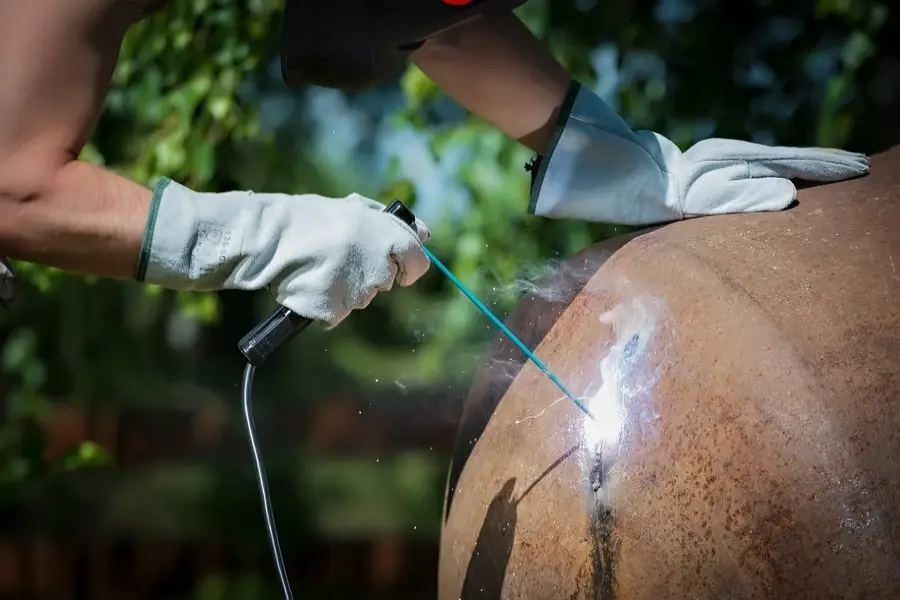
Filler metal acts as a bridge between two workpieces in welding. It impacts the strength and appearance of the final product. By choosing the correct filler metal, you ensure compatibility with aluminum’s properties, leading to a durable and aesthetically pleasing outcome. Every project has unique requirements, and recognizing these will guide you in selecting an appropriate filler metal.
Key Considerations for Selecting Filler Metal
Several factors influence the selection of filler metals for aluminum welding. One primary consideration is the alloy used, as different alloys have varying melting points and mechanical properties. It’s also essential to consider the end-use environment of the welded structure. Will it face outdoor conditions? Is heat resistance important? These questions help refine your choices.
Common Challenges With Aluminum Welding
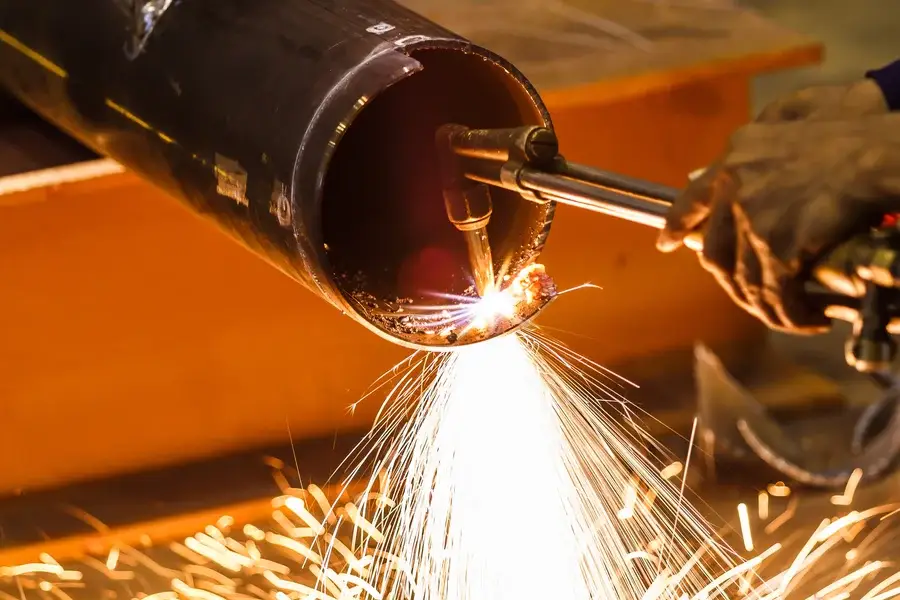
Aluminum welding presents specific challenges that require attention. For instance, aluminum conducts heat rapidly, which can lead to distortion. Additionally, an oxide layer forms on its surface, requiring thorough cleaning before welding. Using inadequate filler metal exacerbates these issues, resulting in poor weld quality or failure. Therefore, selecting the right materials is critical.
Steps to Selecting the Right Filler Metal
The selection process involves several steps:
- Identify the aluminum alloy used in your project.
- Consider the mechanical properties required for your application.
- Review environmental conditions affecting the welded joint.
- Consult industry standards or experienced professionals for guidance.
- Test selected filler metals where possible to evaluate performance.
Best Practices for Successful Welding Outcomes
To ensure successful outcomes in your projects, follow these best practices:
- Pre-clean all surfaces thoroughly to remove oxides and contaminants.
- Use proper shielding gases to prevent contamination during welding.
- Maintain consistent speed and technique to reduce heat input variations.
- Consult relevant codes and standards when in doubt about specifications.
Industry Standards and Compliance Needs
Meeting industry standards ensures safety and reliability in aluminum welding applications. Organizations like the American Welding Society (AWS) provide guidelines for materials and processes. Compliance with these standards not only enhances quality but also boosts customer confidence in your products.
Cost Implications of Filler Metal Selection
The cost of filler metals varies depending on their composition and intended use. While budget constraints are common, it’s essential to weigh cost against performance benefits. Investing in suitable filler metals can prevent costly rework or failures down the line, making initial expenses worthwhile.
Your Pathway to Successful Welding Projects
Choosing the right filler metal is integral to achieving long-lasting welds in aluminum projects. I recommend assessing your specific needs and consulting experts if necessary. Call (615) 806-9152 today for guidance tailored to your requirements. Located in Mt. Juliet, TN, I am committed to helping you succeed with every welding task by offering expert advice through Mobile Welding of Mt. Juliet.